


-

Add: HeBei ShengShi HongBang Cellulose Technology CO.,LTD.
-

Email
13180486930@163.com -

CONTACT US
+86 13180486930



Kizuia Jasi Embracing Resilience and Strength In a world fraught with challenges, the concept of Kizuia Jasi emerges as a beacon of hope and resilience. This phrase, derived from theoretical notions in philosophical literature, embodies the essence of overcoming adversity and thriving despite life's uncertainties. Kizuia Jasi can be interpreted as a symbolic journey through pain and healing. It suggests that every scar we carry tells a story— a narrative of struggle, growth, and ultimately, transformation. Each experience of hardship shapes us, offering lessons that fortify our spirit and illuminate the path towards self-discovery. Kizuia Jasi Embracing Resilience and Strength Cultural narratives across the globe highlight the importance of resilience, and Kizuia Jasi aligns closely with these traditions. In many cultures, stories of heroes overcoming adversity serve as metaphors for human tenacity. From ancient mythologies to modern literature, the motif of the underdog triumphing against all odds inspires individuals to confront their fears and stand tall in the face of adversity. These narratives not only entertain but also instill a sense of possibility, reminding us that resilience is a universal human trait. kizuia jasi Moreover, Kizuia Jasi encourages introspection and self-awareness. Understanding our pain allows us to navigate the complexities of our emotions, transforming them into sources of strength. Journaling, therapy, and open dialogues about mental health can facilitate this understanding. By processing our experiences—whether they involve loss, failure, or personal setbacks—we create space for healing. This healing is not linear; rather, it comes in waves, ebbing and flowing as we traverse the landscape of our emotions. In embracing Kizuia Jasi, we also cultivate empathy towards others. Recognizing that everyone bears their own scars fosters compassion and connection. By sharing our stories of resilience, we create a community built on mutual understanding and support. In a society that often celebrates success without acknowledging the struggle behind it, Kizuia Jasi invites us to honor both the triumphs and the trials. As we navigate an increasingly complex world, the principles embodied in Kizuia Jasi remind us that resilience is empowered through community and shared experience. In moments of darkness, it is the bonds we forge with others that illuminate our path forward. We learn, we support, and we rise together. In conclusion, Kizuia Jasi serves as a powerful reminder that within each of us lies the capacity to weather storms and emerge stronger than before. It encourages us to embrace our scars, recognizing them as symbols of our journeys rather than marks of defeat. As we navigate the complexities of our lives, may we carry the spirit of Kizuia Jasi in our hearts— a testament to our resilience, our strength, and our unyielding capacity to rise above adversity. Through this embrace, we allow ourselves not only to survive but to flourish in the face of challenges, turning our pain into powerful narratives of hope and transformation.
- 40000tons

Production
- 20+years

Experience
- 5000+㎡

Acreage

-
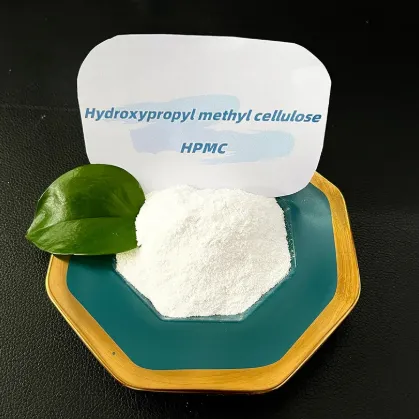
In the ever-evolving world of construction materials, HPMC cellulose has emerged as an essential additive that enhances the performance and quality of various building products. Known for its multifunctionality, HPMC cellulose plays a critical role in improving workability, water retention, and adhesion in products like cement-based mortars, tile adhesives, wall putty, and plaster. Derived from natural cellulose, HPMC cellulose (Hydroxypropyl Methylcellulose) is modified through etherification to offer superior performance characteristics. It is non-ionic and water-soluble, making it an ideal component for use in cement and gypsum systems. By ensuring uniform water distribution and extended open time, HPMC cellulose enhances application efficiency and surface finish, particularly in hot or dry conditions. One of the standout attributes of HPMC cellulose is its ability to enhance the cohesion and viscosity of mortars without altering the composition of the main binder. This not only reduces material waste but also improves the durability of the final construction. The increased workability allows workers to achieve smoother finishes with less effort, ultimately speeding up construction timelines. Additionally, HPMC cellulose contributes to anti-sagging properties in vertical applications, allowing heavier mortar layers to be applied without the risk of slippage. This makes it an indispensable ingredient in modern construction practices where performance and quality are paramount. The Multifunctional Role of HPMC Hydroxypropyl Methylcellulose in Dry Mix Mortars When it comes to dry mix mortar formulations, HPMC hydroxypropyl methylcellulose is a cornerstone component due to its excellent water retention capabilities and improved open time. In tile adhesives, self-leveling compounds, and external thermal insulation systems (ETICS), HPMC hydroxypropyl methylcellulose plays a vital role in enhancing the performance and lifespan of the product. Water retention is particularly crucial in cementitious products because it ensures that the hydration of cement continues effectively, even under hot and windy conditions. This not only prevents cracking but also promotes better bonding between surfaces. HPMC hydroxypropyl methylcellulose retains the necessary moisture content, ensuring optimal curing of the materials. In addition, HPMC hydroxypropyl methylcellulose improves slip resistance, which is essential when installing heavy tiles on vertical walls. It reduces the tendency of the tile to slide before setting, resulting in a more secure and precise installation. In leveling compounds, this additive helps control flow properties, ensuring even spreading and minimizing defects. HPMC hydroxypropyl methylcellulose also imparts workability to mortars by acting as a lubricant, reducing friction and allowing smooth application. Its thickening effect ensures uniform consistency and prevents segregation of components, which is especially beneficial in automated mixing and application systems. Moreover, the thermal insulation capability of ETICS systems benefits greatly from the inclusion of HPMC hydroxypropyl methylcellulose , which provides strong adhesion between insulation boards and substrates, along with crack resistance and longevity. Hydroxy Methyl Propyl Cellulose for Superior Tile Adhesives and Wall Putty Hydroxy methyl propyl cellulose is especially valued in tile adhesives and wall putty formulations for its unique blend of viscosity control and water retention. These characteristics are indispensable in ensuring the adhesive’s strength and durability. In wall putties, hydroxy methyl propyl cellulose enhances surface smoothness and ensures a longer working time, giving professionals more flexibility during application. Its water retention property allows the cement to hydrate completely, which minimizes shrinkage and cracking. Tile adhesives, which require high strength and precise application, benefit from the use of hydroxy methyl propyl cellulose due to its anti-sagging properties and enhanced adhesion. It ensures that tiles remain in place until the adhesive sets, even under the influence of gravity on vertical surfaces. Another significant benefit is its role in open time extension. Hydroxy methyl propyl cellulose allows tile installers to adjust or realign tiles without compromising adhesion. This becomes especially critical in large-format tile installations where precision is key. Its thickening ability further improves the thixotropic behavior of adhesives, providing shear thinning properties that ease troweling while maintaining body when applied. These attributes make hydroxy methyl propyl cellulose a preferred additive in high-performance construction applications. What is HPMC and How It Revolutionizes Cement-Based Products What is HPMC and why has it become such an integral part of cement-based products? In the simplest terms, HPMC (Hydroxypropyl Methylcellulose) is a non-ionic cellulose ether derived from natural sources like cotton or wood pulp. It is chemically modified to be water-soluble and deliver enhanced performance in building applications. What is HPMC used for? In construction, it serves as a thickener, binder, film-former, and water-retention agent. When incorporated into cement and gypsum formulations, it transforms their behavior — improving workability, preventing premature drying, and enhancing surface finish. One of the remarkable things about what is HPMC is its ability to provide consistent performance across a range of temperatures and substrates. Whether applied in cold, humid environments or hot and arid conditions, HPMC maintains its efficacy, ensuring reliability throughout the construction process. Additionally, what is HPMC used for in grouts and renders? In these systems, it prevents water loss and promotes a smooth, crack-free finish. It ensures the fine balance between flowability and cohesion, which is crucial for precision applications like tile joints and decorative plasters. Its inert nature and compatibility with other construction chemicals further increase its versatility. Contractors and manufacturers alike depend on what is HPMC to achieve durable, aesthetically pleasing, and structurally sound results. Innovations in Modern Construction with HPMC Cellulose Additives The use of HPMC cellulose additives has driven numerous innovations in modern construction. Beyond traditional tile adhesives and wall putty, HPMC cellulose is now integrated into self-leveling underlayments, exterior renders, gypsum plasters, and cementitious waterproofing membranes. Self-leveling compounds rely heavily on the precise rheological control provided by HPMC cellulose . It stabilizes the flow without allowing sedimentation of aggregates, ensuring a flat and even floor surface after curing. In gypsum plasters, the inclusion of HPMC cellulose improves spreadability, adhesion, and anti-cracking properties. It enables a smooth, white finish and prolongs open time, which is especially useful for decorative applications. Cementitious waterproofing systems benefit from HPMC cellulose by gaining improved cohesion, flexibility, and reduced permeability. It enhances bonding to substrates, minimizes cracking under stress, and allows for long-term resistance against water ingress. Even in prefabricated dry mortar mixes, HPMC cellulose ensures homogeneity, shelf stability, and ease of redispersion when mixed with water. This leads to reduced site labor, lower error rates, and better control over final product quality. Ultimately, the integration of HPMC cellulose into various building systems showcases how innovation and chemistry can together drive performance, efficiency, and sustainability in construction. hydroxypropyl methylcellulose FAQs What is the main function of HPMC in cement-based applications? The primary function of HPMC in cement-based materials is to retain water, ensuring the complete hydration of cement and improving the working time. It also enhances workability, adhesion, and surface smoothness, making the application process more efficient and the end results more durable. How does HPMC hydroxypropyl methylcellulose improve tile adhesives? HPMC hydroxypropyl methylcellulose improves tile adhesives by increasing water retention, enhancing open time, and providing anti-slip properties. This allows installers to work more accurately and ensures strong, lasting bonds even on vertical surfaces or during high temperatures. Can hydroxy methyl propyl cellulose prevent cracking in plaster or mortar? Yes, hydroxy methyl propyl cellulose significantly reduces the risk of shrinkage cracks by maintaining adequate moisture during curing. Its binding and film-forming properties also contribute to a uniform application, reducing stress points that lead to cracking. Is HPMC cellulose compatible with all types of cement and gypsum? HPMC cellulose is widely compatible with various cement types (e.g., OPC, white cement) and gypsum formulations. It does not interfere chemically with binders or pigments and can be used alongside other admixtures like dispersing agents or retarders. What makes HPMC an environmentally friendly choice for construction? HPMC is derived from natural cellulose, making it biodegradable and environmentally safe. Its use in improving durability and reducing material waste aligns with green construction practices. Additionally, it allows better energy efficiency in manufacturing due to faster processing and reduced curing times.
-

Is HPMC Soluble in Water? Hydroxypropyl Methylcellulose (HPMC) is a widely used cellulose ether that has garnered significant attention in various industries, particularly in pharmaceuticals, food, and construction materials. One of the pivotal characteristics of HPMC is its solubility in water, which plays a crucial role in its applications. Understanding whether HPMC is soluble in water leads us to explore its properties, uses, and the implications of its solubility. HPMC is a modified form of cellulose, which is derived from wood pulp or plant fibers. The modification involves the substitution of hydroxyl groups on the cellulose backbone with hydroxypropyl and methoxy groups. This alteration not only enhances its solubility in water but also provides HPMC with unique properties such as thickening, binding, and film-forming capabilities. Due to these characteristics, HPMC has become a preferred choice in numerous formulations. Is HPMC Soluble in Water? The solubility of HPMC is crucial in the pharmaceutical industry, where it is often used as a controlled-release agent in tablets and capsules. It ensures that the active pharmaceutical ingredients are released in a controlled manner, enhancing the efficacy of the medication. Additionally, HPMC is utilized as a binder and film-forming agent, contributing to the stability and integrity of the dosage forms. The ability of HPMC to form gels upon dissolution in water is particularly beneficial in creating sustained-release formulations, which improve patient compliance and therapeutic outcomes. is hpmc soluble in water In the food industry, HPMC serves as a food additive and is commonly found in products such as sauces, salad dressings, and baked goods. Its water solubility allows it to act as a thickener and stabilizer, enhancing the texture and mouthfeel of food products. Because it is non-toxic and has a good safety profile, HPMC is deemed suitable for various food applications. The construction industry also benefits from HPMC, where it is used as an additive in cement, mortar, and plaster. When mixed with water, it helps improve the workability and adhesion properties of these materials. The solubility of HPMC in water allows it to disperse evenly within the mixture, contributing to a smoother application and better overall performance. Despite its numerous advantages, it is important to respect the recommended usage levels and conditions when incorporating HPMC in various formulations. The concentration can significantly impact the viscosity and performance, and excessive use may lead to undesired effects, such as excessive thickening or changes in texture. In conclusion, HPMC is indeed soluble in water, which is a key characteristic that makes it invaluable across multiple industries. Its solubility underpins its functionality in pharmaceuticals, foods, and construction materials, allowing for enhanced performance and consumer satisfaction. As research continues and more applications for HPMC are discovered, its role as a versatile and effective component in various formulations is likely to grow, driven by its unique properties and wide-ranging benefits. Understanding the solubility and behavior of HPMC in water not only helps in optimizing its applications but also highlights its role in modern product development and innovation.
advantages
-

200000 Viscosities
Excellent product
We can produce pure products up to 200,000 viscosities
-

40000 tons
High yield
We don’t stop production all year round, and the annual output can reach 40,000 tons
-

24 hours
Quality service
We provide 24-hours online reception service, welcome to consult at any time
———— Inquiry Form
Schedule A services
- matumizi_ya_hydroxypropyl_methylcellulose
Oct . 25, 2025
The Impact of Polypropylene Fiber on Concrete Concrete is a widely used construction material, essen -
 gawang_hibla
Oct . 25, 2025
The enduring performance of rubber powder in building materials stems from its inherent molecular st -
 rubber_powder_color
Oct . 25, 2025
In the ever-evolving landscape of sustainable manufacturing, high-performance environment-friendly r


